
We’ve broken down each study that’s looking into Stem Cells for back conditions like Degenerative Disc Disease in detail, but we know it’s a lot to digest.
At the start of the article, we’ve provided an initial summary of what all the research is telling us. If you want to look at any study in particular, use the Content Table on the left to go to a particular study, or the conclusion at the end of the article.
We hope this is helpful!
To look more at Stem Cell treatment processes for Back Pain & treatment costs, our Stem Cell Therapy for Back Pain article might be interesting.
Back Condition Findings
What the Research says about Stem Cell Therapy for Back Conditions
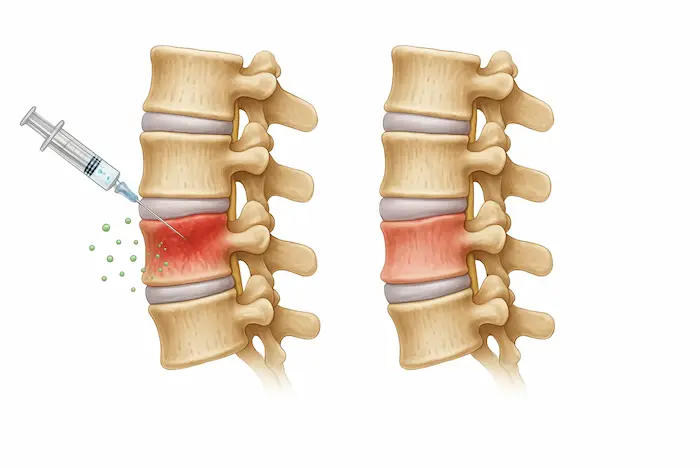
Clinical research into stem cell therapy for back conditions is progressing, with two trials now in Phase III. Safety has been encouraging across all completed trials, with no serious stem cell related complications reported.
Most research has focused on Degenerative Disc Disease, which is an inflammatory and degenerative condition. People with more structural problems like severe slipped discs, spinal stenosis, or major spinal instability have been excluded from every trial.
Bone marrow derived cells have been the most studied, from both the patient’s own cells and donor cells. A small number of trials are now reaching Phase III, which is a significant milestone for the field.
Results so far are mixed. The spinal disc is a uniquely tough environment for cells to survive in, which makes back conditions a harder problem to solve than other areas of stem cell research. Some trials have shown meaningful improvements in pain and function. Others have shown no clear advantage over placebo. We don’t yet have enough data to say which approach works best.
And remember, just because stem cell treatment has been safe in trials, this does not always reflect real world treatment. Trials follow strict protocols and operate under tight regulatory oversight. Clinics offering stem cell therapy commercially may use different processes, different quality standards, and operate under varying levels of regulation, so always be careful.
Current Stem Cell Trials for Degenerative Disc Disease Recruiting Now in the US
Here are Stem Cell Trials for Degenerative Disc Disease in the US that are currently recruiting for participants.
Mesbolast Confirmatory Phase III Trial of Rexlemestrocel-L + Hyaluronic acid for Degenerative Disc Disease: USA
You can read more about this trial on their clinical trials page.
This Phase 3 study is being run by Mesoblast across multiple research centers in the United States. It follows an earlier Phase 3 trial where rexlemestrocel-L on its own did not show a clear improvement, but rexlemestrocel-L combined with hyaluronic acid (HA) showed better pain reduction compared with placebo.
This new trial is designed to confirm whether a single injection of rexlemestrocel-L + HA directly into a damaged spinal disc can reduce chronic low back pain caused by degenerative disc disease. Researchers will also track safety, physical function, quality of life, and opioid use after treatment.
This is a randomized, double-blind Phase 3 trial.
- Participants are randomly assigned to different treatment groups.
- Neither the patients nor the investigators assessing the results know who received the stem cell treatment or the control procedure.
- This type of study design is considered the gold standard in clinical research because it helps reduce bias and produce more reliable results.
Start Date and Expected Completion Date
- Start Date: July 3, 2024 (first participant enrolled)
- Primary Completion: October 2026 (final data collection for primary outcomes)
- Final Completion: October 2027 (end of all follow-up and analysis)
- Recruitment Status: Recruiting (300 participants planned)
Participants
- Sample Size: 300 participants
- Age Range: 18 years and older (adult to older adult)
- Condition: People with chronic low back pain caused by degenerative disc disease.
Participants must have:
- Moderate to severe low back pain lasting between 6 months and 5 years.
- Degeneration in a single lumbar spinal disc between L1 and S1 confirmed on imaging.
- Failed at least 3 months of conservative treatment such as physiotherapy, pain medication, injections, or other non-surgical care.
Participants cannot have:
- Prior stem cell treatment to the affected disc.
- Previous major surgery at the affected spinal level.
- Multiple painful spinal discs.
- Severe spinal stenosis or major neurological deficits.
- Significant osteoporosis, substance abuse problems, or severe anxiety/depression.
Delivery Method:
- The stem cells are injected directly into the damaged disc in the lower back (intradiscal injection) together with hyaluronic acid.
The procedure involves:
- Inserting a needle directly into the damaged spinal disc.
- Injecting the stem cell and hyaluronic acid mixture into the disc itself (intradiscal injection).
The product contains approximately:
- 6 million allogeneic mesenchymal precursor cells.
- Mixed with hyaluronic acid (HA), which may help support the disc environment and keep the cells within the disc.
- Mesenchymal precursor cells are early-stage mesenchymal cells taken from healthy donor bone marrow and expanded in a laboratory before being used as treatment. Think of them as an early version of normal Mesenchymal Stem Cells.
Treatment Groups
- Rexlemestrocel-L + HA Group: Participants receive a single intradiscal injection of rexlemestrocel-L combined with hyaluronic acid.
- Comparator Group: Participants receive a sham control procedure using saline solution near the affected disc to simulate treatment.
Blinding:
- Double-blind design.
- Participants and investigators assessing outcomes do not know which treatment the participant received.
Duration:
- Participants are followed for up to 24 months after treatment.
Primary Outcomes (Efficacy & Safety)
Pain Reduction:
- Change in low back pain at 12 months using the Visual Analog Scale (VAS).
- VAS is a simple pain scale where patients rate pain from 0 (no pain) to 100 (worst pain imaginable).
Safety:
- Researchers will track adverse events and serious adverse events for up to 24 months after treatment.
Secondary Outcomes (Function, Quality of Life & Opioid Use)
Functional Improvement:
- Change in Oswestry Disability Index (ODI) score at 12 months.
- ODI measures how much back pain affects daily life, including walking, sitting, lifting, work, and personal care. Higher scores mean greater disability.
Quality of Life:
- Change in EuroQol-5D (EQ-5D) score at 12 months.
- This questionnaire looks at mobility, pain, daily activities, anxiety/depression, and overall quality of life.
Pain Responders:
- Researchers will measure:
- How many participants achieve at least a 30% reduction in pain.
- How many participants achieve very low pain scores after treatment.
Combined Treatment Success:
- The study will assess how many participants achieve:
- At least a 30% reduction in pain.
- At least a 10-point improvement in ODI disability score.
Opioid Use:
- Researchers will also track how many participants are able to stop using opioid pain medications by 24 months after treatment.
Recruitment:
- The trial is currently recruiting across 39 sites in the United States, including California, Florida, Texas, New York, Georgia, Colorado, and several major academic spine centers.
Follow-up:
- Participants will be monitored for up to 24 months to assess pain relief, physical function, quality of life, safety, and opioid use after treatment.
Analysis:
- After all participants complete follow-up, researchers will analyze whether rexlemestrocel-L combined with hyaluronic acid performs better than the sham control procedure for chronic low back pain caused by degenerative disc disease.
Completion:
- Final study completion and analysis are currently expected in October 2027. The FDA has already reviewed Mesoblast’s earlier Phase 3 data. It indicated that if this second trial confirms strong pain reduction at 12 months, the results could support a future approval application. The FDA also said opioid reduction could potentially be included in the product label if the evidence is strong enough.
DiscGenics Phase III Progenitor Stem Cell Trial For Degenerative Disc Disease: US
You can read more about the study on their clinical trials page.
This Phase 3 clinical trial is being run by DiscGenics across multiple research centers in the United States. The study is designed to evaluate the safety and effectiveness of IDCT (rebonuputemcel), an investigational allogeneic intradiscal cell therapy, in people with chronic lower back pain caused by mild to moderate lumbar degenerative disc disease (DDD).
The therapy uses cultured donor-derived disc progenitor cells that are injected directly into the damaged spinal disc. Researchers are investigating whether IDCT can reduce chronic low back pain, improve function and potentially improve disc health compared to a sham procedure.
This is a randomized, double-blind, sham-controlled Phase 3 trial.
- Participants are randomly assigned to treatment groups
- Neither the participants nor most study investigators know who received the cell therapy or the sham procedure
- Only the injecting sub-investigator and their team are unblinded
- This type of study design is considered the gold standard in clinical research because it helps reduce bias and improve reliability of the results.
Start Date and Expected Completion Date
- Start Date: December 23, 2025 (first participant enrolled)
- Primary Completion: November 24, 2027 (final data collection for primary outcomes)
- Final Completion: November 24, 2028 (end of all follow-up and analysis)
- Recruitment Status: Recruiting (162 participants planned)
Participants
- Sample Size: 162 participants
- Age Range: 18 to 75 years old (adult to older adult)
Condition
- People with chronic lower back pain caused by single-level lumbar degenerative disc disease (DDD) between L3 and S1 in the spine.
Participants must have:
- Mild to moderate degenerative disc disease
- A target disc with Modified Pfirrmann Grade 3-7 on MRI
- Chronic low back pain for at least 6 months
- Low back pain that did not improve after at least 3 months of conservative treatment
Participants must also have:
- A baseline low back pain score between 45 and 90 on the Visual Analogue Scale (VAS)
- An Oswestry Disability Index (ODI) score between 35 and 90.
The study excludes people with:
- Significant nerve compression or radiculopathy
- Severe spinal instability
- Large disc herniations
- Full thickness annular tears
- Previous lumbar spine surgery
- Advanced widespread lumbar degeneration.
Delivery Method
- IDCT is delivered as a direct injection (intradiscal injection) into the damaged lumbar disc.
The procedure involves:
- Needle placement into the target disc
- Injection of the investigational cell therapy into a single degenerated lumbar disc.
The product contains:
- Approximately 9 million cultured donor-derived disc progenitor cells in 1 mL solution.
Cells Used
- The therapy uses cultured donor-derived disc progenitor cells taken from human intervertebral disc tissue.
- These cells are being used because they are already specialized toward spinal disc tissue and may be better suited to supporting repair inside damaged intervertebral discs.
- Unlike mesenchymal stem cells (MSCs), which can develop into multiple tissue types, disc progenitor cells are more tissue-specific and focused on spinal disc repair.
Treatment Groups
IDCT Group
- Participants receive:
- A single intradiscal injection of IDCT into the target disc.
Comparator Group
- Participants receive:
- A sham procedure involving needle insertion up to the annulus of the disc without therapeutic injection.
Blinding
- Double-blind design.
- Participants and most investigators do not know which treatment was given
- Only the injecting procedural team is unblinded.
Duration
- Participants are followed for:
- 52 weeks for the primary study period
- Plus an additional 52 weeks of follow-up
- Total follow-up duration: 104 weeks (2 years).
DiscGenics is investigating whether IDCT can safely reduce chronic lower back pain, improve mobility and daily function and help people avoid more invasive spinal procedures or surgery. The study will also use MRI scans over 2 years to assess whether the therapy can help preserve or improve the structure of damaged spinal discs over time.
Primary Outcomes (Pain, Function & Safety)
Pain Reduction
- Change in Visual Analogue Scale (VAS) low back pain score at 52 weeks.
- VAS is a simple pain scale where patients rate pain from:
- 0 = no pain
- 100 = worst pain imaginable.
Function Improvement
- Change in Oswestry Disability Index (ODI) score at 52 weeks.
- ODI is a questionnaire used to measure how back pain affects:
- Walking
- Sleeping
- Personal care
- Daily activities
- Overall physical function.
Safety Monitoring
- Researchers are monitoring:
- Moderate or severe adverse events
- Serious adverse events (SAEs)
- Disc-related complications including:
- Annular tears
- Disc herniation
- Disc extrusion/prolapse
- Discitis (disc infection).
Secondary Outcomes (Disc Structure, Quality of Life & Long-Term Outcomes)
Researchers will also evaluate:
MRI Disc Assessments
- MRI scans will assess:
- Disc volume
- Disc height
- Degeneration severity
- Modic changes
- Annular tears/fissures
- Herniation
- Endplate integrity over time.
Quality of Life
- The EQ-5D questionnaire will assess:
- Mobility
- Self-care
- Daily activities
- Pain/discomfort
- Anxiety/depression
- Overall health status.
Additional Measures Include
- Pain medication use
- Physical therapy and other supportive treatment use
- Treatment failure rates
- Need for additional invasive procedures or surgery
- Long-term adverse events.
Recruitment
- The trial is currently recruiting across 14 clinical sites in the United States
Follow-up
- Participants will be monitored for 104 weeks to assess:
- Low back pain
- Physical function
- Disc structure changes on MRI
- Safety and complication rates.
Analysis
- After all participants complete follow-up, researchers will analyze whether IDCT performs better than the sham procedure for improving pain, disability and disc-related outcomes in lumbar degenerative disc disease.
Completion
- Final study completion and analysis are currently expected in November 2028.
Creative Medical Technology Phase 1/2a CELZ-201-DDT Trial: US
This trial is published on their Clinical Trials page.
This Phase 1/2a study is being run by Creative Medical Technology Holdings Inc. The trial is designed to evaluate the safety, tolerability, and potential effectiveness of CELZ-201-DDT in people with chronic lower back pain caused by degenerative disc disease. Researchers are investigating whether the treatment can reduce pain, improve mobility, and reduce the need for pain medication.
This is a randomized, double-blind, placebo-controlled dose escalation study:
- Participants are randomly assigned to different treatment groups
- Some participants receive CELZ-201-DDT, while others receive placebo injections
- Neither the participants nor the investigators know who received the treatment or placebo during the study
- This type of study design is considered the gold standard in clinical research because it helps reduce bias and produce more reliable results.
Start Date and Expected Completion Date
- Start Date: May 21, 2024 (first participant enrolled)
- Primary Completion: May 1, 2026 (final data collection for primary safety outcomes)
- Final Completion: May 1, 2027 (end of all follow-up and analysis)
- Recruitment Status: Recruiting (45 participants planned)
Participants
- Sample Size: 45 participants
- Age Range: 18 to 80 years old (adult to older adult)
Condition:
- People with chronic lower back pain caused by degenerative disc disease.
Participants must have:
- Failed at least two standard treatments before entering the study
- Tried treatments such as physical therapy, pain medications, or muscle relaxants for at least 3 months
- Evidence of degenerative disc disease or significant back pain/disability based on MRI scans, pain scores, or disability assessments
- Ongoing lower back pain despite standard treatment.
Participants cannot have:
- Recent cancer history
- Active infections
- Severe uncontrolled diabetes or hypertension
- Severe kidney or liver dysfunction
- Recent smoking or substance abuse
- Previous gene therapy treatment
- Severe obesity (BMI over 40).
Delivery Method:
- CELZ-201-DDT is delivered via ultrasound-guided intramuscular injections.
The procedure involves:
- Intramuscular injections into the muscles alongside the lumbar spine
- Six total injections
- Three injections on each side of the lower back
- Ultrasound guidance to help accurately place the injections.
Cells Used:
- Donor-derived (allogeneic) perinatal tissue derived cells collected from umbilical cord-related tissue.
- The cells are expanded and developed as an “off-the-shelf” cell therapy designed to provide a standardized treatment product across patients.
Dose Groups:
- The study is testing several different dose levels:
- Low Dose: 6 million cells
- Medium Dose: 30 million cells
- High Dose: 60 million cells
- Expanded High Dose: 120 million cells.
Treatment Groups
CELZ-201-DDT Groups:
- Participants receive one of the CELZ-201-DDT dose levels.
Placebo Group:
- Participants receive placebo injections instead of the investigational treatment.
Blinding:
- Double-blind design.
- Participants and investigators do not know which treatment the participant received.
Duration:
- Participants are followed for up to 12 months for efficacy assessments and longer for overall study completion.
What They’re Looking For
Primary Outcome (Safety)
Safety and Tolerability:
- Researchers are mainly assessing safety by monitoring for serious adverse events or severe side effects over 6 months.
Secondary Outcomes (Pain, Mobility & Medication Use)
Pain Reduction:
- Researchers will assess changes in pain using the Visual Analogue Scale (VAS).
- VAS is a simple pain scale where patients rate pain from 0 to 10.
Disability and Mobility:
- Researchers will assess disability using the Oswestry Disability Index (ODI).
- ODI is a questionnaire used to measure how much lower back pain affects daily activities and mobility.
Pain Medication Use:
- Researchers will also assess whether participants reduce their use of pain medications after treatment.
Next Steps
Recruitment:
- The study is currently recruiting in Florida, United States.
Follow-up:
- Participants will be monitored to assess safety, pain relief, mobility, disability, and pain medication usage after treatment.
Analysis:
- After follow-up is completed, researchers will analyze whether CELZ-201-DDT appears safe and whether it shows signs of improving chronic lower back pain and function compared to placebo injections.
Completion:
- Final study completion is currently expected in May 2027.
Get an estimated treatment quote for your specific Back condition
We know getting treatment quotes isn’t easy. Get a personalized, estimated quote for any country so you can compare options for your back condition globally.
Get Free Cost Estimate
Stem Cell Trials for Degenerative Disc Disease & Back Arthritis awaiting Full Results
BioRestorative Therapies Phase II Stem Cell Trial for Chronic Lower Back Pain: BRTX-100, USA
You can read more about the study on ClinicalTrials.gov (NCT04042844 and the preliminary results are on their website.
This U.S.-based study is testing whether a single injection of stem cells into a damaged spinal disc can safely reduce pain and improve daily function in people with chronic lumbar disc disease (cLDD), a leading cause of lower back pain.
The therapy, called BRTX-100, uses stem cells from the patient’s own bone marrow (autologous) and is developed by BioRestorative Therapies. The goal is to offer a non-surgical treatment for people who haven’t improved with physical therapy, medication, or injections.
The study is a Phase 2 double-blind trial, meaning neither patients nor doctors know who receives real stem cells vs. placebo (saline).
Results Summary
- So far, 36 patients have received either BRTX-100 or placebo (saline). The treatment appears to be safe and shows promising signs of effectiveness.
- No serious side effects or dose-related complications were reported. No tumors, swelling, or immune rejection were seen on MRI
- Most patients improved significantly
- Although this is early data and group assignments are still blinded, the results exceed FDA thresholds for success. Which require only 30% improvement in both pain and function. Final results are expected after full enrollment and 2-year follow-up.
Study Details
- Participants: 99 planned
- Current evaluated: 36
- Condition: Chronic lower back pain (lasting ≥6 months) caused by disc degeneration
- Age range: 18–60 years
- Follow-up: 2 years (clinic visits at Week 2, 12, 26, 52, and 104)
Delivery method:
- Each patient receives a single injection of 40 million cells directly into the damaged disc.
- Control patients undergo the same procedure but receive a saline (placebo) injection instead.
- This is a randomized, double-blind trial, meaning neither the patients nor doctors know who gets the real treatment.
Cell Used
- Type: Mesenchymal stem cells (MSCs)
- Source: Patient’s own bone marrow (autologous BMAC)
- Culture: The cells were cultured in low-oxygen (hypoxic) conditions to better match the environment inside spinal discs, which helps improve their survival and activity after injection. This approach is not standard. Most stem cell therapies grow cells in normal oxygen levels, making BioRestorative’s method a unique and potentially more effective strategy
- Preparation: The cells were mixed with the patient’s own platelet lysate, which is a part of their blood rich in natural healing proteins. This is unusual, most treatments use additives from donors or plain saline, so using the patient’s own blood makes it more personalized and may reduce the risk of side effects
- Dose: One injection of 40 million cells
Timepoint
- % with >50% Improvement in Function (ODI)
- % with >50% Reduction in Pain (VAS)
- Patients with >50% Improvement in Both
Week 12
- 67.6%
- 73.8%
- 5 out of 25
Week 26
- 74.0%
- 76.9%
- 6 out of 15
Week 52
- 74.6%
- 72.4%
- 8 out of 10
Week 104
- 75.1%
- 68.5%
- 2 out of 4
Most patients felt much better after treatment. By 1 year, over 70% had less pain and could move better and 8 out of 10 improved in both areas.
Success in this study was measured by how much pain went down and how much physical function improved. Not by whether the discs themselves were regenerated on scans.
Next Steps
- Complete enrollment of all 99 patients
- Collect full 52-week data for all subjects (needed for FDA review)
- Continue 2-year follow-up to confirm long-term safety and durability
- Submit results to the FDA for potential approval (BLA)
- Publish peer-reviewed data (no publication yet — only ISSCR conference presentation)
- Explore additional indications, such as cervical disc disease, already approved for testing
RESPINE Phase 2/3 Bone Marrow Derived Stem Cell Trial for Degenerative Disc Disease: Europe
You can read more about the trial on their clinical trials page.
This Phase 2/3 study is being run by University Hospital, Montpellier as part of the RESPINE consortium. Researchers are evaluating whether donor-derived bone marrow mesenchymal stromal cells (BM-MSCs) can reduce chronic lower back pain and improve function in people with lumbar degenerative disc disease (DDD) who did not improve with standard treatment.
The trial is investigating whether intradiscal injection of BM-MSCs can:
- Reduce pain
- Improve disability and daily function
- Improve disc quality on MRI imaging
- Reduce pain medication use
- Potentially slow or partially reverse disc degeneration.
This is a randomized, triple-blind, sham-controlled trial:
- Participants are randomly assigned to treatment groups
- Some participants receive BM-MSC injections, while others receive a sham procedure
- Participants, care providers, and investigators do not know who received the real treatment during the study.
This type of study design is considered one of the highest standards in clinical research because it helps reduce bias and improve reliability of the results.
Start Date and Expected Completion Date
- Start Date:
February 18, 2019 (first participant enrolled) - Primary Completion:
May 30, 2022 (final data collection for primary outcomes) - Estimated Final Completion:
March 8, 2026
Participants
- Sample Size:
113 participants. - Age Range:
18 to 60 years old. - Condition:
People with chronic lower back pain caused by lumbar degenerative disc disease (DDD).
Participants must have:
- Chronic lower back pain for at least 3 months
- Failed conservative treatment such as physical therapy and pain medication
- Moderate to moderately advanced degenerative disc disease on MRI
- Significant pain levels before entering the study.
Participants cannot have:
- Major spinal instability
- Severe spinal stenosis
- Significant scoliosis or spinal deformities
- Previous spine surgery
- Major disc herniation with nerve symptoms
- Degeneration affecting multiple non-adjacent levels
- Severe obesity (BMI over 35)
- Significant uncontrolled medical conditions.
The trial mainly focuses on patients with disc-related inflammatory and degenerative lower back pain, rather than severe structural or mechanically unstable spine disease.
Delivery Method:
- The BM-MSCs are injected directly into the degenerated lumbar disc using imaging guidance. (intradiscal Injection)
Cells Used:
- Donor-derived (allogeneic) bone marrow mesenchymal stromal cells (BM-MSCs)
- The cells are culture-expanded in a laboratory before treatment
- This means the cells are multiplied outside the body to increase the cell dose before injection.
Dose Used:
- Approximately 20 million BM-MSCs
- Dose range: 20 ± 5 million cells
- Suspended in 2 mL of transport solution before injection.
Treatment Groups
BM-MSC Group:
- Participants receive intradiscal BM-MSC injections into the affected lumbar disc.
Sham Procedure Group:
- Participants receive a sham procedure involving local anesthetic injections near the affected spinal segment instead of stem cell injections into the disc itself.
Blinding:
- Triple-blind design.
- Participants, care providers, and investigators do not know which treatment the participant received during the study.
Duration:
- Participants are followed for up to 24 months for pain, disability, MRI, safety, and quality of life assessments.
What They’re Looking For
Primary Outcomes (Pain & Function)
Pain Reduction:
- Researchers are assessing whether participants achieve meaningful pain reduction using the Visual Analogue Scale (VAS).
- VAS is a pain scale where patients rate pain from 0 to 100:
- 0 = no pain
- 100 = worst pain imaginable.
Functional Improvement:
- Researchers are also measuring disability and daily function using the Oswestry Disability Index (ODI).
- ODI is a questionnaire commonly used to assess how much lower back pain affects mobility and everyday activities.
Secondary Outcomes (MRI, Quality of Life & Safety)
MRI Disc Assessment:
- Researchers are evaluating changes in disc structure and disc quality using MRI scans.
- The MRI analysis looks at:
- Disc hydration/fluid content
- Glycosaminoglycan (GAG) content
- Degeneration grading
- Structural disc changes over time.
Quality of Life:
- Researchers are measuring quality of life and disability using:
- SF-36 questionnaires
- Patient global assessments
- Physician global assessments.
Pain Medication Use:
- Researchers are tracking whether participants reduce their use of pain medications after treatment.
Immune Monitoring:
- Researchers are also studying immune responses to the donor-derived MSCs, including monitoring for anti-HLA antibodies.
Safety:
- Researchers are monitoring for serious adverse events (SAEs) throughout the study.
Next Steps
Follow-up:
- Participants continue to be monitored for up to 24 months for pain, function, MRI changes, immune response, and safety outcomes.
Analysis:
- Researchers will analyze whether BM-MSC treatment improves chronic disc-related lower back pain and disability compared with the sham procedure.
Completion:
- Final study completion is currently expected in March 2026.
Phase 2 Trial of Bone Marrow Stem Cells for Lower Back Arthritis: United States
You can read more about the trial on their clinical trials page.
This Phase 2 study is being run by Mayo Clinic in Florida. Researchers are evaluating whether donor-derived bone marrow mesenchymal stem cells (BM-MSCs) can reduce chronic lower back pain caused by lumbar facet joint arthritis.
Facet joints are the small joints at the back of the spine that help control movement and stability. Over time, these joints can become arthritic and inflamed, which may cause chronic lower back pain.
The trial is investigating whether injecting BM-MSCs directly into arthritic lumbar facet joints can:
- Reduce lower back pain
- Improve daily function and mobility
- Reduce pain medication use
- Improve inflammation and structural changes seen on MRI scans
- Be performed safely without serious side effects.
This is a randomized, triple-blind, placebo-controlled crossover trial:
- Participants are randomly assigned to treatment groups
- Some participants receive BM-MSC injections, while others initially receive a placebo injection (DMSO)
- Participants, care providers, and investigators do not know who received the real treatment during the blinded phase of the study.
After 6 months:
- Participants in the placebo group are unblinded
- They then cross over and receive the BM-MSC treatment.
This type of study design is considered a strong clinical trial design because it helps reduce bias and improve the reliability of the results.
Start Date and Expected Completion Date
- Start Date:
November 3, 2023 (first participant enrolled) - Primary Completion:
July 2026 (final data collection for primary outcomes)
Participants
- Sample Size:
40 participants. - Age Range:
18 years and older. - Condition:
People with chronic lower back pain caused by lumbar facet joint arthropathy (facet joint arthritis).
Participants must have:
- Chronic lower back pain for at least 6 months
- Failed conservative treatment such as physical therapy, exercise programs, and pain medication
- MRI or imaging evidence of lumbar facet arthritis
- Moderate to significant pain before entering the study
- Positive medial branch block testing showing the facet joints are likely the main source of pain.
Participants cannot have:
- Severe obesity (BMI over 40)
- Significant spinal instability or major spinal deformity
- Severe osteoporosis with fractures
- Active infections
- Active cancer
- Recent steroid injections or radiofrequency ablation in the affected facet joints
- Prior biologic or stem cell treatment within the past 12 months
- Significant uncontrolled medical conditions
- Active drug or alcohol abuse.
The trial mainly focuses on patients with chronic facet joint arthritis-related lower back pain, rather than severe spinal instability or major structural spinal disease.
Delivery Method:
- The BM-MSCs are injected directly into the lumbar facet joints using fluoroscopic (X-ray) guidance. (Intra-articular facet joint injection)
Cells Used:
- Donor-derived (allogeneic) bone marrow mesenchymal stem cells (BM-MSCs)
- The cells are culture-expanded in a laboratory before treatment
- This means the cells are multiplied outside the body to increase the total cell dose before injection.
Dose Used:
- 10 million BM-MSCs per facet joint
- 2 facet joints treated
- Total dose: approximately 20 million BM-MSCs.
Treatment Groups
BM-MSC Group:
- Participants receive direct BM-MSC injections into the painful lumbar facet joints.
Placebo Group:
- Participants initially receive placebo DMSO injections instead of stem cells.
Crossover:
- After 6 months, placebo participants cross over and receive BM-MSC treatment.
Blinding:
- Triple-blind design.
- Participants, care providers, and investigators do not know which treatment the participant received during the blinded portion of the study.
Duration:
- Participants are followed for up to 24 months for pain, function, MRI, medication use, and safety assessments.
What They’re Looking For (Tab 3)
Primary Outcomes (Safety, Pain & Function)
Safety:
- Researchers are closely monitoring for adverse events and side effects throughout the study.
Pain & Function:
- Researchers are assessing:
- Pain levels
- Physical function
- Ability to work
- Use of narcotic pain medications
- Overall physical and mental health.
PROMIS-CAT:
- Researchers are using the PROMIS-CAT questionnaire system to evaluate physical, mental, and social health over time.
Secondary Outcomes (MRI Changes)
MRI Assessment:
- Researchers are evaluating structural changes in the lumbar facet joints using MRI scans.
Next Steps
Follow-up:
- Participants continue to be monitored for up to 24 months for pain, function, MRI changes, medication use, and safety outcomes.
Analysis:
- Researchers will analyze whether BM-MSC treatment improves chronic facet joint arthritis-related lower back pain compared with placebo treatment.
Completion:
- Final study completion is currently expected in July 2026.
Previous Stem Cell Trials for Degenerative Disc Disease and Back Arthritis
Phase I Trial of Bone Marrow Stem Cells for Lower Back Arthritis: United States
You can read more about the study in the journal Stem Cell Research & Therapy.
This Phase I clinical trial aimed to test the safety and early effectiveness of cultured donor bone marrow-derived stem cells (BM-MSCs) for people with painful lumbar facet arthropathy, a common cause of chronic lower back pain caused by arthritis in the small joints of the spine.
The goal was to determine whether stem cells could reduce pain, improve physical function, and improve signs of joint degeneration on MRI scans.
Results Summary
- A single injection of cultured donor-derived bone marrow stem cells into the lumbar facet joints showed promising improvements in pain and physical function over 2 years.
- Researchers believe the stem cells worked mainly by reducing inflammation and releasing healing signals inside the joint rather than rebuilding the joint directly.
- No serious adverse events related to the stem cells were reported. Most side effects were mild and temporary, such as soreness or discomfort around the injection site.
Participants:
- Participants: 10 patients with chronic lower back pain caused by lumbar facet joint arthritis. 9 patients completed the full 2-year follow-up.
- Age Range: 38–68 years old.
Condition:
- Patients had chronic lower back pain linked to arthritis and degeneration of the lumbar facet joints. All patients had failed previous conservative treatments, including:
- pain medications
- physical therapy
- steroid injections
- nerve blocks
- acupuncture
- radiofrequency ablation (in some patients).
Site:
- Mayo Clinic
Procedure and Dosage:
- Each patient received 2 intra articular injections into lumbar facet joints under fluoroscopic (X-ray) guidance.
- Each injection contained:
- 10 million cultured donor-derived BM-MSCs
- suspended in 1 mL Lactated Ringer’s solution.
- Total dose per patient:
- 20 million BM-MSCs.
Blinding:
- Open-label study (patients and researchers knew stem cells were being used).
Follow-up:
- Patients were followed for 24 months with:
- pain questionnaires
- physical function testing
- MRI scans
- blood safety testing.
Cell Preparation and Procedure:
BM-MSCs (Bone Marrow-Derived Mesenchymal Stem Cells):
- The stem cells came from a healthy 28-year-old donor.
- The donor bone marrow was:
- processed in a GMP-certified laboratory
- expanded in the lab (culture-expanded)
- cryopreserved and stored before use.
- The cells used in patients were:
- allogeneic (donor-derived)
- cultured/expanded
- Passage 3 BM-MSCs.
Primary Endpoint (Safety):
- No serious adverse events related to the stem cells were reported during the study.
- Researchers also reported:
- no signs of immune rejection
- no abnormal blood test findings related to treatment.
Pain Reduction (VAS Score):
- Researchers defined meaningful improvement as at least a 50% reduction in pain scores.
- Results:
- 75% of patients achieved this level of pain improvement at 6 months.
- 67% of patients maintained this level of pain improvement at 12, 18 and 24 months.
- Average pain scores also improved substantially over time.
Physical Function (PROMIS Physical Function):
- Researchers defined meaningful functional improvement as an increase of at least 2.3 points on the PROMIS Physical Function score.
- Results:
- Around 56% of patients achieved meaningful improvements in physical function throughout follow-up.
MRI Findings:
- MRI scans were used to assess:
- inflammation
- edema/swelling
- degeneration
- synovitis (joint inflammation)
- bone marrow changes in the facet joints.
- Results after 2 years:
- 5 patients showed improvement in facet joint degeneration on MRI.
- 3 patients showed no major change.
- 1 patient worsened.
- One MRI example in the paper showed:
- reduced capsular inflammation
- reduced edema
- improvement in facet joint synovitis severity over 24 months.
Mental Health and Quality of Life:
- Patients also reported improvements in:
- depression
- anxiety
- sleep
- fatigue
- social functioning.
How Cells Worked (Researcher’s View):
- The researchers explained that the BM-MSCs likely worked mainly through anti-inflammatory and healing signals rather than permanently turning into new spinal joint tissue.
- They proposed the cells:
- reduced inflammation inside the facet joints
- released bioactive healing molecules
- improved the local joint environment
- helped reduce pain signaling and joint irritation.
- The researchers specifically stated that the treatment effects were likely caused by:
- paracrine signaling
- immunomodulation
- trophic/healing effects
- rather than long-term engraftment or direct tissue replacement.
- The MRI findings suggested reduced inflammation and degeneration in some joints, but the study did not prove full regeneration of the facet joints.
Adverse Events:
- No deaths related to treatment were reported.
- Three serious adverse events occurred during the study, including:
- knee replacement surgery
- spinal surgery for sciatica on the opposite side
- prostate cancer
- Researchers determined these were unrelated to the stem cell treatment.
- Common mild side effects included:
- injection site pain
- temporary stiffness
- headache
- localized soreness or discomfort.
- Most resolved with conservative treatment or over-the-counter medication.
Conclusion:
- This early Phase I trial suggests that cultured donor-derived bone marrow stem cells may help reduce chronic lower back pain caused by lumbar facet joint arthritis.
- Many patients experienced meaningful improvements in pain and physical function lasting up to 2 years, and some patients also showed improved MRI findings in the treated facet joints.
- The treatment appeared relatively safe in this small study, with no serious stem cell-related complications reported.
- However, this was a small open-label study without a placebo group, so larger randomized controlled trials are still needed to confirm whether the treatment truly works and how effective it is long term.
Phase III Trial of Rexlemestrocel-L for Chronic Low Back Pain (Mesoblast): United States & Australia
You can read more about the study on their clinical trials page.
This Phase III clinical trial aimed to test whether an off the shelf stem cell product called rexlemestrocel-L could reduce chronic low back pain caused by Degenerative Disc Disease.
The study looked at whether stem cells derived from Bone Marrow, injected directly into damaged spinal discs could improve pain and function better than a placebo injection.
Results Summary
- The trial did not meet its main primary endpoint, meaning the overall study was officially considered unsuccessful based on the original trial design. However, patients who received rexlemestrocel-L combined with hyaluronic acid (HA) showed statistically significant improvements in back pain scores at both 12 months and 24 months compared to placebo.
- The placebo group also improved substantially, which made it harder for the treatment to clearly outperform placebo.
- No deaths were reported during the study. Serious adverse events occurred in all groups, including placebo, and most side effects were musculoskeletal symptoms such as back pain or joint pain.
Participants:
- Participants: 404 patients, ages 18 and older, with chronic low back pain caused by moderate lumbar disc degeneration.
Patients had to:
- Have chronic low back pain for at least 6 months
- Fail at least 6 months of conservative treatment such as medications, physiotherapy, exercise programs or pain management
- Have MRI evidence of moderate disc degeneration
- Have relatively low leg pain, meaning the pain was believed to come mainly from the spinal disc itself rather than nerve compression
Sites:
- 48 study centers across the United States and Australia, including centers such as Mayo Clinic and Cleveland Clinic.
Procedure:
- Patients were randomly assigned into 3 groups:
- Rexlemestrocel-L alone
- Rexlemestrocel-L combined with hyaluronic acid (HA)
- Placebo saline injection
- The stem cell treatment involved approximately 6 million allogeneic mesenchymal precursor cells injected directly into the damaged lumbar disc.
- The HA group received the same stem cells mixed with hyaluronic acid before injection.
Blinding:
- Quadruple-blind (patients, investigators, care providers and outcome assessors did not know which treatment was given).
Follow-up:
- Patients were followed for up to 36 months after treatment.
Cell Preparation and Procedure:
Rexlemestrocel-L:
- An off the shelf allogeneic, bone marrow derived mesenchymal precursor cell product developed by Mesoblast.
- The cells were not taken from the patient. They were manufactured donor derived cells prepared in advance and injected directly into the spinal disc in a single procedure.
- Mesenchymal precursor cells are early-stage mesenchymal cells taken from healthy donor bone marrow and expanded in a laboratory before being used as treatment. Think of them as an early version of normal Mesenchymal Stem Cells.
Primary Endpoint (Overall Treatment Success):
- The primary endpoint required patients to meet all 3 conditions:
- At least 50% reduction in back pain
- At least 15-point improvement in disability (ODI score)
- No further spinal intervention at the treated level
- Patients also had to maintain these improvements at both 12 and 24 months.
Results:
- Rexlemestrocel-L alone: 26.7%
- Rexlemestrocel-L + HA: 33.5%
- Placebo: 31.3%
- The study did not meet the predefined statistical threshold for success.
Pain Reduction (VAS Scores):
- The strongest findings were seen in the rexlemestrocel-L + HA group.
- At 12 months:
- Rexlemestrocel-L + HA patients improved by -27.4 points
- Placebo improved by -19.0 points
- Difference versus placebo: -8.4 points
- Statistically significant (P = 0.0162)
- At 24 months:
- Rexlemestrocel-L + HA improved by -25.9 points
- Placebo improved by -18.3 points
- Difference versus placebo: -7.6 points
- Statistically significant (P = 0.0426)
- The rexlemestrocel-L alone group generally did not outperform placebo significantly.
Functional Improvement (ODI):
- The treatment did not clearly improve disability or physical function better than placebo.
- Functional responder rates:
- Rexlemestrocel-L alone: 37.8%
- Rexlemestrocel-L + HA: 40.9%
- Placebo: 41.3%
Adverse Events:
- No deaths were reported.
- Serious adverse events:
- Rexlemestrocel-L alone: 12.1%
- Rexlemestrocel-L + HA: 11.7%
- Placebo: 7.7%
- Most common non-serious side effects included:
- Back pain
- Joint pain
- Pain in extremities
- Muscle spasms
- Numbness or tingling sensations
- Some serious medical events occurred in the treatment groups, including cardiac events and neurological events, although the study itself did not establish that the stem cells caused these events.
Conclusion:
- This Phase III trial showed mixed results. The study failed its original primary endpoint, meaning it was not considered a fully successful Phase III trial under the original FDA study design. However, the rexlemestrocel-L + HA group showed statistically significant improvements in chronic low back pain at both 12 and 24 months compared to placebo.
- The treatment appeared to reduce pain more effectively than improve physical function.
- The group that received rexlemestrocel-L combined with hyaluronic acid (HA) showed statistically significant pain reduction. The FDA later agreed that pain reduction at 12 months could potentially support approval in a new Phase III trial.
- Mesoblast has since launched another Phase III confirmatory trial to see if rexlemestrocel-L + HA can reduce chronic low back pain at 12 months and reduce opioid use.
2025 Phase IIB Trial Using Expanded Bone Marrow Stem Cells for Degenerative Disc Disease: Italy
You can read more about the study in JOR Spine.
This study was led by doctors and researchers from Fondazione Policlinico Universitario Campus Bio-Medico, Università Campus Bio-Medico di Roma, and Fondazione IRCCS Ca’ Granda Ospedale Maggiore Policlinico.
The researchers wanted to see whether injecting expanded bone marrow-derived mesenchymal stromal cells (MSCs) directly into degenerated spinal discs could safely reduce chronic low back pain and improve disc structure on MRI scans.
Important: These are preliminary 6-month results only. The trial is still ongoing, and longer-term results are still needed
This is a randomized, double-blind, sham-controlled Phase IIb clinical trial:
- Participants are randomly assigned to treatment groups
- Some participants receive expanded autologous BM-MSC injections directly into degenerated spinal discs, while others receive a sham procedure
- Participants, MRI reviewers, investigators, outcome assessors, and statisticians do not know who received the real treatment during the study
- Only the surgeons performing the procedures and the pharmacy team preparing the cells know the treatment allocation.
This type of study design is considered one of the highest standards in clinical research because it helps reduce bias and improve reliability of the results.
Preliminary Results Summary: 6 Months
- Patients who received stem cells did show some signs of structural improvement in the discs on MRI scans, including slightly improved disc height.
- HOWEVER, patients who received the sham/placebo procedure improved by a similar amount in pain and function.
- The treatment appeared relatively safe overall, with no major treatment-related catastrophic complications reported.
- The researchers believe the stem cells may be helping the disc environment biologically, but those changes have not yet clearly translated into superior clinical outcomes.
Participants
- Participants:
- 52 patients enrolled
- 46 completed the 6-month follow-up.
Average age:
- ~44 years old
Condition:
- Chronic low back pain lasting at least 6 months
- Moderate-to-advanced degenerative disc disease (DDD)
- Up to 3 lumbar discs treated.
The study excluded people with:
- Severe spinal instability
- Symptomatic spinal stenosis
- Significant disc herniation with sciatica
- Certain advanced endplate changes.
Procedure
- Patients were randomly split into:
- Stem cell injection group
- Sham/placebo procedure group.
- The sham group underwent a fake procedure designed to mimic treatment without actually injecting the spinal discs.
Delivery Method
- The cells were injected directly into the degenerated lumbar discs using fluoroscopic (X-ray) guidance. (intradiscal injections)
Cells Used
- Autologous Bone Marrow-Derived MSCs
- Meaning:
- The stem cells came from each patient’s own bone marrow
- Bone marrow was taken from the back of the pelvis (hip bone).
Dosage
- Approximately:
- 15 million expanded MSCs per disc injected.
- Some patients had:
- 1 disc treated
- 2 discs treated
- 3 discs treated.
Culture Method
Cell Expansion
- The cells were:
- Expanded in a GMP-certified laboratory
- Cultured for around 3 weeks before injection.
- The researchers specifically expanded and purified MSCs rather than simply concentrating bone marrow like BMAC procedures.
Cell Testing
- Before injection, the cells were tested for:
- Viability (whether the cells were alive)
- Sterility/contamination
- Normal chromosomes (karyotype testing)
- MSC identity markers:
- CD73
- CD90
- CD105
- Low contamination with blood/immune cells.
- Some patients were excluded because:
- Their cells developed chromosomal abnormalities during expansion
- Or the sample became contaminated.
Did They Modify the Cells to Help Survival?
- No.
- The researchers did NOT:
- Hypoxia-condition the cells
- Genetically modify them
- Use hydrogels/scaffolds
- Add special survival-enhancing engineering.
- The cells were injected in a saline/albumin solution.
- The paper actually discusses that spinal discs are a very harsh environment for cells because they have:
- Low oxygen
- Low nutrients
- Acidic pH
- Inflammation.
- The researchers suggest this may reduce stem cell survival and effectiveness.
Follow-up duration
- ⚠️ Preliminary 6-month results only.
- The final longer-term outcomes are still pending.
Primary Outcome: VAS Pain Score
- (VAS = a 0–100 pain scale where lower numbers mean less pain)
Stem Cell Group:
- Pain dropped from 54.5 → 42.5
Sham Group:
- Pain dropped from 60.8 → 42.5.
- ➡️ Both groups improved.
- ➡️ BUT the stem cell group was not significantly better than placebo at 6 months.
Disability (ODI Score)
- The sham group actually showed slightly better disability improvements overall.
- Again:
- no significant clinical advantage for stem cells at 6 months.
MRI Structural Changes
- MRI scans showed some structural improvements in the stem cell group:
- Disc height slightly increased
- Some early signs of improved hydration/structure
- Temporary improvement in degeneration grading at 3 months.
- The sham group did not show the same disc height improvements.
- However:
- These MRI improvements did not clearly translate into superior pain relief yet.
Safety
- The treatment appeared relatively safe overall.
- Reported issues included:
- Temporary worsening of back pain after injection
- One allergic skin rash
- No major infections or deaths.
How the Cells Worked
- The researchers believe the cells likely worked mainly through:
- Anti-inflammatory signaling
- Supporting the disc environment
- Stimulating repair processes.
- There was no proof the cells rebuilt fully normal discs.
- The paper also notes that:
- structural regeneration and pain relief may not always directly match.
What We Don’t Know
- Whether the MRI improvements will eventually translate into better pain relief over longer follow-up
- Whether 12-month or longer outcomes may look different
- How many injected cells actually survived long-term inside the discs
- Whether younger donor cells or engineered MSCs may work better
- Whether patients with earlier-stage degeneration may respond more strongly.
Researchers’ Conclusions
- The researchers concluded that:
- Expanded autologous bone marrow MSC injections into degenerated spinal discs appear relatively safe.
- The treatment may produce measurable structural changes on MRI.
- HOWEVER, at 6 months, the stem cell treatment was not clearly better than placebo for reducing pain or disability.
- Longer-term follow-up is needed before determining whether these regenerative changes lead to meaningful clinical benefit.
DiscGenics Phase I/II Trial Using Allogeneic Disc Progenitor Cells for Lumbar Disc Degeneration: United States
You can read more about the study in the International Journal of Spine Surgery.
The clinical trial was sponsored and funded by DiscGenics.
The researchers wanted to see whether injecting allogeneic disc progenitor cells directly into degenerated lumbar spinal discs could safely reduce chronic low back pain, improve disability and quality of life, and increase disc volume on MRI scans.
This was a randomized, double-blind, vehicle- and placebo-controlled Phase I/II clinical trial:
- Participants were randomly assigned to different groups.
- Some participants received low-dose IDCT, some received high-dose IDCT, some received the vehicle solution only, and some received placebo saline.
- Patients, assessing investigators, site staff, imaging reviewers, and most trial personnel were blinded to treatment allocation.
- The injecting doctor could not be blinded because the different injected materials had different viscosity, but that doctor did not take part in follow-up assessments.
This type of study design helps reduce bias because the people judging the results do not know who received the real cell treatment.
Results Summary: 2 Years
- At the 1-year mark, the high-dose group had a 62.8% average reduction in low back pain, meeting the study’s success benchmark of more than 30% improvement. At 2 years, the improvement was maintained, with pain scores still much lower than baseline.
- The cells worked by producing molecules that help rebuild the disc’s internal structure and improve its ability to hold water, which may explain the increased disc volume seen on MRI. They may also have helped calm inflammation inside the damaged disc.
- Safety: The treatment was reported as safe and well tolerated, with serious adverse events occurring only in the vehicle or placebo groups and none considered treatment-related.
Participants:
- 60 patients enrolled.
Follow-up:
- Patients were followed for 2 years.
Average age:
- 37.9 years old.
Condition:
- Chronic low back pain caused by single-level lumbar degenerative disc disease.
Spinal levels treated:
- L3 to S1.
- Most patients were treated at L5-S1.
Type of degeneration:
- Early-to-moderate symptomatic lumbar disc degeneration.
- The study included patients with Modified Pfirrmann grades 3–7, but it excluded several more complicated spine problems.
The study excluded people with:
- Mainly muscle-related or myofascial low back pain
- Radiculopathy from nerve compression
- Frequent leg pain extending below the knee
- Leg pain worse than back pain
- Severe knee or hip osteoarthritis
- Cauda equina syndrome
- Previous lumbar spine surgery
- Previous disc-invasive procedures
- Recent epidural steroid injections
- Suspected facet joint pain as the main pain source
- Current or previous lumbar spine infection
- Fibromyalgia
- Significant autoimmune disease, such as rheumatoid arthritis
- Active cancer or recent cancer history
- Chronic opioid use unless stopped for 3 months
- Prior or planned stem cell/progenitor cell therapy for discs at L3–S1
They also excluded people with certain imaging findings, including:
- Multiple degenerated discs between L3 and S1
- Prior lumbar vertebral fracture
- Dynamic instability
- Grade 2 or higher spondylolisthesis
- Type III Modic changes
- Suspected full-thickness annular tear
- Disc extrusion or sequestration
- So this was mainly a study for disc degeneration, not major herniated discs pressing on nerves.
Procedure
- Patients were randomly split into 4 groups:
- Low-dose IDCT group: 3 million cells/mL
- High-dose IDCT group: 9 million cells/mL
- Vehicle-only group: Sodium hyaluronate solution without cells
- Placebo group: Normal saline
- Each patient received one injection into one symptomatic lumbar disc.
- The injection was given directly into the disc, meaning it was an intradiscal injection.
Delivery Method
- The treatment was injected into the degenerated lumbar disc using fluoroscopic or CT guidance.
- That means imaging was used to guide the needle into the correct disc.
- The procedure was done with local anesthesia or conscious sedation, depending on the clinical site’s standard procedure.
Cells Used
- The therapy uses cultured donor-derived disc progenitor cells taken from human intervertebral disc tissue.
- These cells are being used because they are already specialized toward spinal disc tissue and may be better suited to supporting repair inside damaged intervertebral discs.
- Unlike mesenchymal stem cells (MSCs), which can develop into multiple tissue types, disc progenitor cells are more tissue-specific and focused on spinal disc repair.
Culture Method
- The disc progenitor cells were created through a multi-step laboratory manufacturing process.
- The researchers started with adult human disc tissue from organ donors.
- The cells were:
- Isolated from the disc tissue
- Expanded in the laboratory
- Grown using specific supplements
- Grown in suspension culture
- Tested before use
- The final product mixed the discogenic cells with a viscous sodium hyaluronate solution.
Cell Testing
- Before use, the cells were tested for:
- Identity
- Purity
- Potency
- Safety
- The paper says the cells expressed markers including:
- CD73
- CD90
- HLA-ABC
- They did not express:
- CD24
- CD34
- HLA-DR/DQ/DP
- The paper says this marker pattern had to be present on every batch of discogenic cells.
Follow-up Duration
- Patients were followed for 2 years.
- The main endpoint was measured at 1 year.
Primary Outcome: VAS Pain Score
- VAS = a 0–100 pain scale where lower numbers mean less pain.
At 52 weeks:
- High-dose IDCT group:
- Pain improved by 62.8% from baseline.
- This met the study’s main endpoint of more than 30% pain improvement.
- The high-dose group also had a clinically meaningful pain reduction of 42.8 points on the VAS pain scale.
- The improvement was maintained at 2 years.
Vehicle group:
- Pain improved by 52.8% at 52 weeks, but this group did not show the same broader clinical and MRI benefits as the high-dose cell group.
Low-dose and placebo groups:
- They showed some improvement at certain time points, but they did not show the same consistent 52-week result as the high-dose group.
Disability: ODI Score
- ODI = Oswestry Disability Index.
- It measures how much back pain affects daily function.
- The high-dose IDCT group showed the strongest improvement.
- The paper says the high-dose group moved from the “severe disability” range to the “minimal disability” range by week 78.
- This improvement was maintained at the 2 year point.
Quality of Life: EQ-5D
- EQ-5D = a quality-of-life score.
- The high-dose group showed a statistically significant and clinically meaningful improvement in EQ-5D from week 12 through week 104.
- This means patients in the high-dose group reported better overall health-related quality of life after treatment.
MRI Structural Changes
- MRI scans showed a significant increase in disc volume only in the high-dose IDCT group.
At 52 weeks:
- High-dose IDCT group:
- Disc volume increased by 249.0 mm³
At 104 weeks:
- High-dose IDCT group:
- Disc volume increased by 402.1 mm³
- The paper also shows an MRI example of a 35-year-old woman with L5-S1 disc pathology. After high-dose IDCT, her MRI showed improved disc height and increased disc volume by 6 months.
Safety
- The treatment appeared safe and well tolerated in this trial.
- Reported adverse events included:
- Back pain
- Injection site pain
- Hypoesthesia
- Paresthesia
- Pain in the extremities
- Muscle spasms
- Most adverse events were mild or moderate.
- A minority of patients had severe adverse events.
- Serious adverse events occurred only in the vehicle and placebo groups, not in the IDCT treatment groups.
- There were:
- No deaths
- No events that led to study withdrawal
- No serious adverse events considered treatment-related
How the Cells Worked
- The researchers believe the disc progenitor cells may work by helping the damaged disc environment biologically.
- They describe several possible mechanisms.
1. Producing Extracellular Matrix
- Degenerated discs lose important structural molecules.
- The injected discogenic cells may help produce new extracellular matrix.
- The paper says the cells can generate:
- Proteoglycans
- Aggrecan
- Collagen type 1
- Collagen type 2
- These molecules are important parts of disc tissue.
2. Helping Disc Hydration and Volume
- Aggrecan helps discs hold water.
- Because degenerated discs lose hydration and volume, producing aggrecan and other matrix molecules may help explain the increase in disc volume seen on MRI.
- But the study did not directly prove exactly how much new matrix was produced inside the human discs.
3. Immunomodulatory Effects
- The paper says the cells showed immunomodulatory properties in preclinical studies.
- That means they may help calm or regulate inflammatory activity.
- The authors also suggest the cells may be relatively protected from immune rejection because of their marker profile:
- They are HLA-ABC positive
- They are HLA-DR/DP/DQ negative
- They lack co-stimulatory molecules including CD40, CD80, and CD86
- The paper describes this as part of why the cells may avoid a strong immune response.
4. Supporting a Harsh Disc Environment
- The paper explains that degenerated discs are difficult places for cells because they have:
- Low blood supply
- Low oxygen
- Low cell numbers
- Inflammation
- Matrix breakdown
- The researchers believe these disc progenitor cells may help support the disc environment by producing matrix and possibly shifting the disc toward repair.
Important:
- There was no proof that the cells rebuilt a fully normal disc.
- The study mainly showed:
- Pain improvement
- Disability improvement
- Quality-of-life improvement
- Increased disc volume on MRI
What We Don’t Know
- We don’t know whether the treatment works equally well for all types of disc degeneration.
- We don’t know how long the benefits last beyond 2 years.
- We don’t know whether the MRI disc volume increase represents true full regeneration, partial matrix restoration, hydration change, or a combination of these.
Researchers’ Conclusions
- The researchers concluded that:
- High-dose allogeneic disc progenitor cell therapy was safe and well tolerated.
- The high-dose treatment produced clinically meaningful improvements in:
- Low back pain
- Disability
- Quality of life
- The high-dose treatment also significantly increased disc volume on MRI.
- These improvements were maintained for up to 2 years after a single intradiscal injection.
- The low-dose group showed some signs of benefit, but the results were less consistent.
- The vehicle group showed some pain relief, but did not show the same meaningful improvements in function, quality of life, or disc volume.
- The placebo group did not show consistent or durable clinically meaningful outcomes.
- DiscGenics have now launched a Phase III trial.
Reviews looking at Stem Cell Research for Degenerative Disc Disease
A review is a type of scientific paper where researchers summarize and analyze the results of many past studies on a topic, instead of running their own new experiment.
It’s like reading all the available evidence and then explaining what it shows overall. What’s working, what isn’t, and where the gaps are.
Unlike a clinical trial, which tests a treatment on real patients, a review pulls together findings from multiple trials to give a big-picture view.
2023 Review on Stem Cells Treating Discogenic Back Pain: Italy
You can read more about the review in the British Medical Bulletin.
A team of researchers from Italy and the UK reviewed the current human clinical evidence on whether mesenchymal stem cells (MSCs) can help treat chronic lower back pain caused by degenerative disc disease (DDD).
The review was led by researchers from the University of Salerno and included Nicola Maffulli from Queen Mary University of London and Keele University. Their review was published in the British Medical Bulletin in 2023.
Researchers Thoughts Summarized
- Stem cell therapy for degenerative disc disease appears safe and shows promise for reducing chronic lower back pain and improving physical function.
- Some studies also showed signs of disc repair on MRI scans, including improved hydration and disc height.
- However, the evidence is still limited because studies used very different cell types, preparation methods, and treatment protocols, making it difficult to determine which approach works best.
- The researchers believe MSCs mainly help by reducing inflammation, decreasing harmful degeneration inside the disc, and creating a better healing environment, rather than simply replacing damaged tissue directly.
What they looked at
- 14 human clinical studies involving a total of 303 patients treated with mesenchymal stem cell (MSC) therapies for chronic discogenic lower back pain caused by degenerative disc disease (DDD).
- The review included different stem cell sources, preparation methods, injection materials, and MRI outcome measures.
Types of stem cells reviewed:
- Bone Marrow MSCs (BM-MSCs)
- Bone Marrow Concentrate (BMAC/BMC: minimally processed bone marrow containing stem cells and other repair cells)
- Adipose-Derived MSCs (AD-MSCs: fat-derived stem cells)
- Umbilical Cord MSCs (HUC-MSCs)
- Allogeneic MSCs (donor-derived stem cells)
- Autologous MSCs (the patient’s own stem cells)
- Juvenile Chondrocyte Products (young cartilage cells used in one study)
- Nucleus Pulposus (NP) Cell Co-Culture Approaches (disc cells grown together with MSCs to improve regenerative activity).
The review included both:
- Culture-expanded stem cells (cells grown and multiplied in a lab)
- Non-cultured/minimally manipulated approaches like BMAC.
What they’re trying to find out
- Whether stem cell therapy is effective for treating chronic discogenic back pain and degenerative disc disease.
- Whether MSC injections can:
- Reduce pain
- Improve physical function
- Help repair damaged spinal discs
- Improve MRI findings such as disc hydration and disc height
- Which types of stem cells and preparation methods appear most promising.
- Whether stem cells work mainly by:
- Becoming new disc tissue directly
- OR
- Sending out healing and anti-inflammatory signals that improve the disc environment.
1. Effectiveness:
- Most studies reported improvements in:
- Lower back pain
- Physical function
- Daily activity levels
- Disability scores.
- The most commonly used measures were:
- VAS (Visual Analogue Scale for pain)
- ODI (Oswestry Disability Index: a tool measuring how much back pain affects daily life).
- Across the studies:
- ODI disability scores improved significantly
- VAS pain scores also improved significantly after treatment.
- Some MRI scans showed:
- Increased disc hydration (more water content inside the disc)
- Preservation or improvement of disc height
- Reduced disc bulging/protrusion in some patients.
- However:
- One randomized trial found no major difference between stem cell treatment and saline placebo injections.
2. Mechanism of Action:
- The researchers believe MSCs mainly help by:
- Reducing inflammation
- Reducing harmful tissue breakdown (catabolism)
- Inhibiting pain-signaling nerve activity (nociceptors)
- Supporting repair of damaged disc tissue.
- Rather than simply replacing the damaged disc directly, MSCs appear to improve the healing environment inside the disc.
- The review also discusses “cross-talk” between injected MSCs and the disc’s native cells, especially involving TGF-beta signaling pathways important for tissue repair.
3. Stem Cell Source Comparison:
- Bone Marrow MSCs (BM-MSCs):
- Most commonly studied
- Generally showed encouraging pain and function improvements.
- Bone Marrow Concentrate (BMAC/BMC):
- Used in several studies
- Considered less manipulated than culture-expanded MSCs
- Some studies reported benefits, but results varied.
- Adipose-Derived MSCs:
- Showed promising safety and symptom improvements in early studies.
- Umbilical Cord MSCs:
- Small studies suggested encouraging results
- Researchers noted their low immunogenicity (less likely to trigger immune rejection).
- Allogeneic (Donor) MSCs:
- Appeared safe without major immune complications
- One paper suggested they may produce smaller healing effects compared to autologous MSCs.
- Juvenile Chondrocyte Products:
- Early safety and symptom improvements reported
- Limited evidence available.
4. Cell Culture & Preparation Insights:
- The studies used very different preparation methods, including:
- Culture-expanded MSCs
- Non-cultured BMAC approaches
- Hypoxic culture conditions (low oxygen lab environments)
- Co-culture systems using native disc cells
- Different carrier substances like:
- Hyaluronic acid
- Platelet lysate
- Saline
- Fibrin
- Collagen sponges.
- The review notes that:
- Oxygen conditions during cell culture may affect outcomes
- Growth factors such as TGF-β, GDF5, and GDF6 may influence how MSCs behave and repair disc tissue.
- However, the review does not directly prove that cultured MSCs are superior to non-cultured approaches because the studies were too different to compare properly.
5. Safety:
- MSC therapies were generally safe across the reviewed studies.
- Reported side effects were usually mild, including:
- Temporary injection-site pain
- Pain flare-ups treated with NSAIDs or opioids.
- Only 4 out of 303 patients later required surgery because stem cell therapy failed to relieve symptoms.
- No major tumor formation or severe immune complications were reported.
- However, the review notes that:
- Leakage of MSCs outside the disc could potentially lead to unwanted bone formation (osteophytes).
6. Limitations Across Trials:
- The researchers repeatedly state that the evidence is still limited because:
- Most studies were small
- Many were not randomized controlled trials
- Some studies included only a few patients
- Follow-up periods varied significantly
- Different scoring systems and MRI methods were used
- Cell preparation methods differed substantially between studies.
- The review also notes:
- Lack of standardized protocols
- Missing data in several studies
- Difficulty comparing results directly because every study used different methods.
What they concluded
- MSC therapy appears safe and promising for treating chronic discogenic back pain and degenerative disc disease.
- Many studies showed:
- Reduced pain
- Improved physical function
- Potential signs of disc repair on MRI
- The researchers believe the main benefit likely comes from:
- Anti-inflammatory signaling
- Reducing harmful degeneration
- Supporting tissue repair processes
- Rather than simply replacing damaged tissue directly.
- However:
- The evidence is still early
- Studies are highly variable
- There is not enough standardized data to determine the best:
- Cell source
- Dose
- Culture method
- Injection protocol.
- The researchers state there is a need for:
- Larger randomized controlled trials
- Longer follow-up studies
- Standardized treatment methods
- Better comparison between different stem cell approaches.
Conclusion: Stem Cells for Degenerative Disc Disease
All trials were looking at cultured treatments, from autologous and allogeneic sources:
- Fat: 0 trials
- Bone marrow: 7 trials: 2 autologous , 5 allogeneic
- Umbilical cord: 1 trial: allogeneic
- Progenitor cells: 1 trial: allogeneic
No-one right now is looking at Minimally Manipulated treatments for Degenerative Disc Disease or Lower Back Arthritis.
- The 2023 review, Mayo Clinic Phase I and Italian Phase IIb all suggest stem cells work by reducing inflammation and sending healing signals (paracrine signalling).
- They did not become new disc tissue or directly rebuild damaged discs.
- Three studies flagged that the disc is a hostile environment for cell survival (low oxygen, low nutrients, acidic pH), meaning how effectively cells can signal once injected remains an open question.
- Most of the trials focused on Degenerative Disc Disease, which is inflammatory and degenerative in nature.
- They didn’t include people with slipped discs, spinal stenosis or major structural damage because stem cells work by reducing inflammation and sending healing signals, not by fixing mechanical or structural problems in the spine.
What the trial results show
- The evidence for stem cell therapy for back conditions is early and mixed. The largest completed trial, Mesoblast’s Phase III across 404 patients, failed its primary endpoint.
- The Italian Phase IIb showed no clinical advantage over placebo at 6 months.
- BRTX-100 showed strong early results with over 70% of patients seeing meaningful improvements in pain and function, but the trial is still blinded so we don’t yet know what those results will look like at full completion.
- Some trials showed MRI improvements, disc height, hydration, reduced inflammation, but these haven’t consistently translated into better clinical outcomes than placebo.
What the Trials don’t tell us
- We don’t yet have enough data to say which cell source or preparation method performs best. Most trials are still ongoing or awaiting full results.
- The spinal disc also presents a challenge that doesn’t exist in joint research. It’s a low oxygen, low nutrient, acidic environment. Three studies flagged that cell survival inside the disc is uncertain and if cells aren’t surviving, the mechanism behind any improvement is still unclear.
- The research is promising enough to keep investing in. But right now the results are mixed, the evidence base is thin, and the biology of the disc makes this a harder problem to solve than other areas of stem cell research.
Alt Treatment is a free, independent platform that helps you understand stem cell therapy & decide if it’s right for you.
We break down complex information into clear, honest guidance. When you’re ready, we can connect you with verified clinics that meet your needs, in the right location, and often with exclusive discounts.
There’s no charge to use our platform. No hidden fees. No pressure. Our main aim is to genuinely help you figure out if treatment is right & the best places to consider.
If you want to talk, fill out our form here & our personal concierge team will reach out.
Fill in your details below
For a discounted offer for Stem Cell Therapy!